Designing Electronics for Volatility, Not Stability
Products designed for a stable supply chain break when it shifts. Learn how leading OEMs design for volatility — living BOMs, substitution, and multi-path sourcing.

Products designed for a stable supply chain break when it shifts. Learn how leading OEMs design for volatility — living BOMs, substitution, and multi-path sourcing.
Most manufacturing problems start upstream — in design, BOM strategy, and data handoffs. The Amtech Resource Center helps OEM teams make better decisions earlier.
The Supreme Court struck down IEEPA tariffs — then Section 122 replaced them within days. Here is what importers and OEMs need to do in the next 150 days.
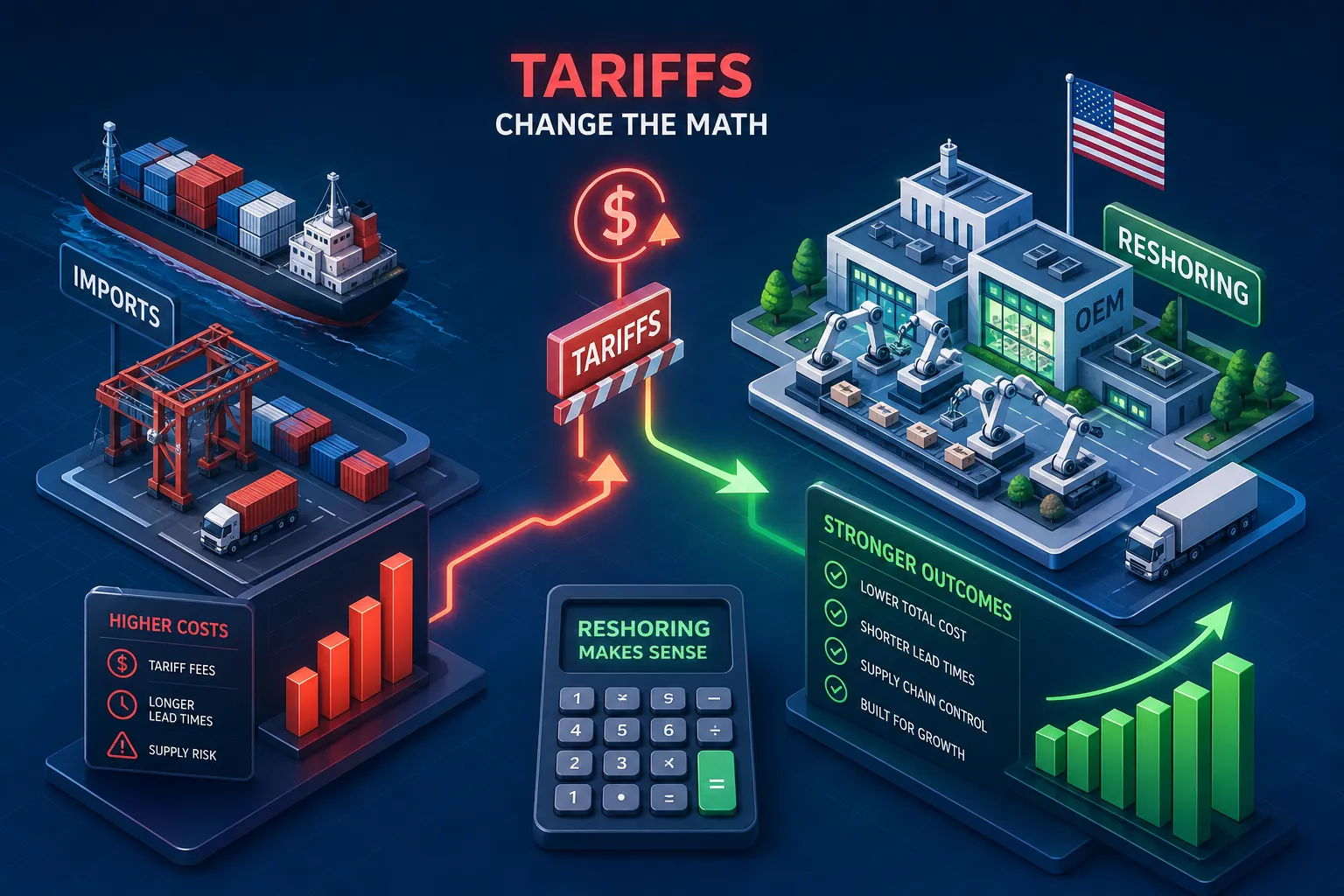
Tariffs are reshaping landed cost for U.S. OEMs. Learn to quantify your tariff exposure and evaluate reshoring electronics production from China. Start here.
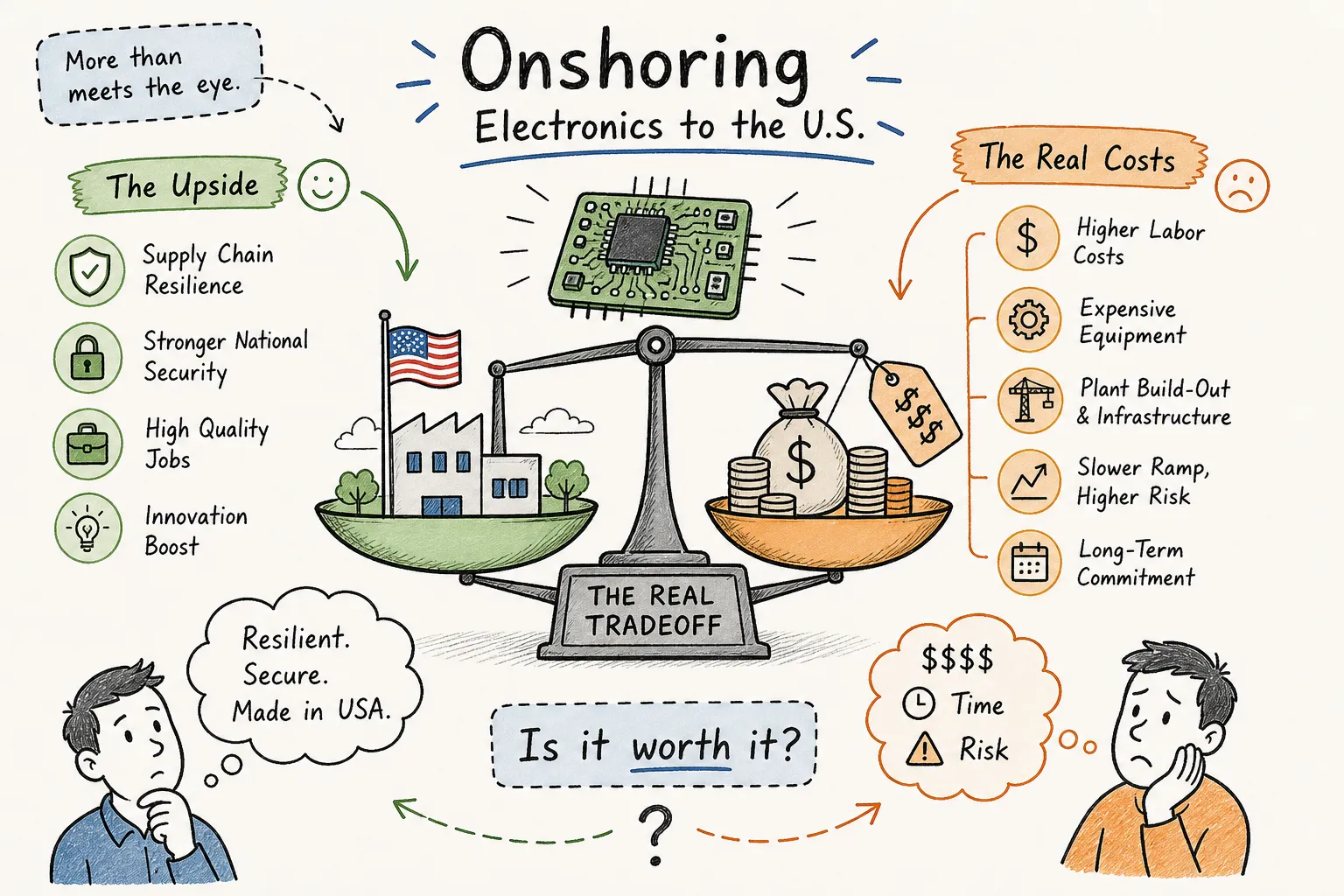
Onshoring electronics manufacturing to the U.S. means more than labor savings. See the full cost tradeoffs, tariff impacts, and TCO model to decide.
Halfway through 2026, the patterns are getting easier to read. Five lessons from the first half of the year on tariffs, resilience, data continuity, front-end investment, and the basics that still win.
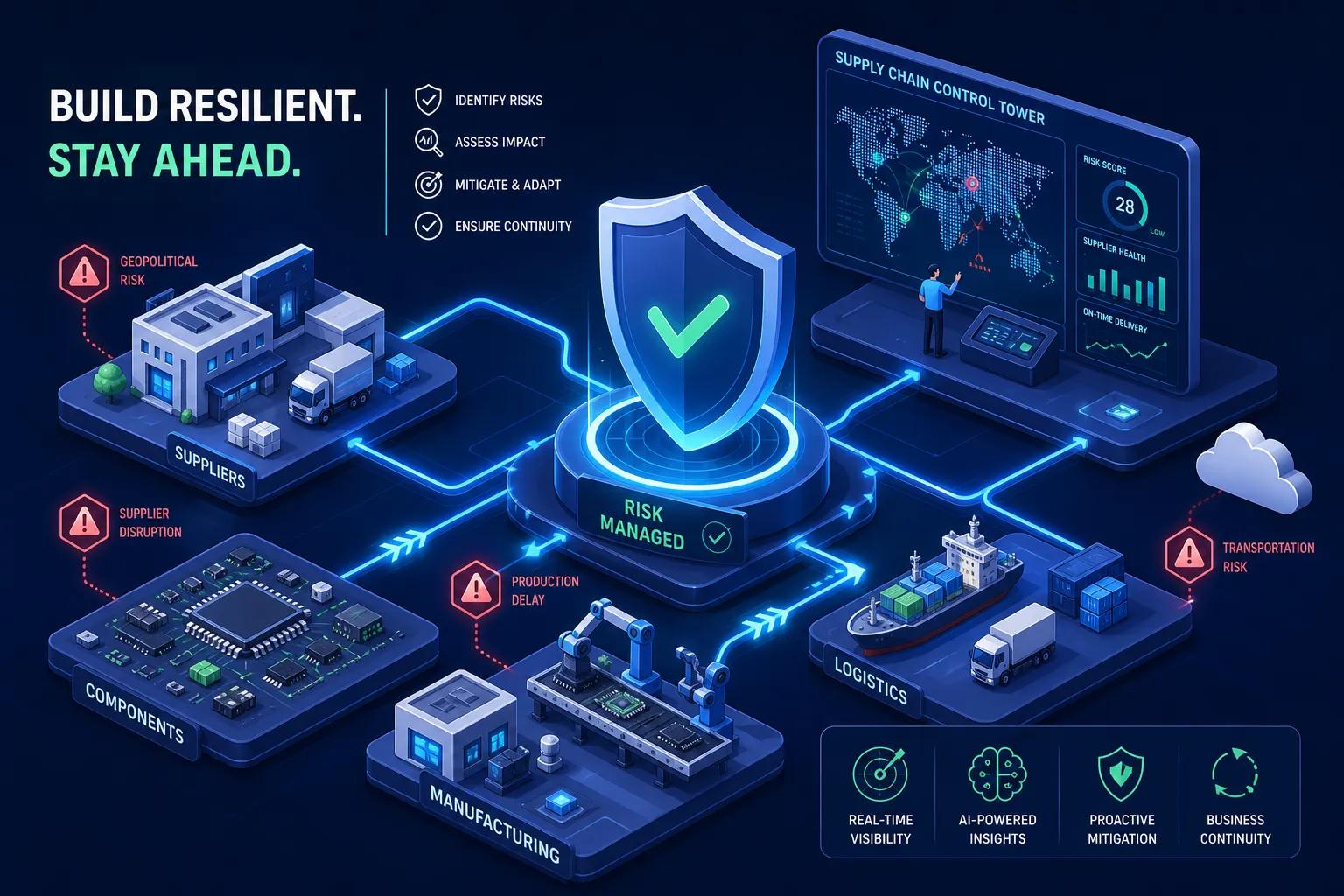
Master electronics supply chain risk management in 2026. This framework covers tariff exposure, EOL risk, and geopolitical sourcing dependencies. Build resilience now.
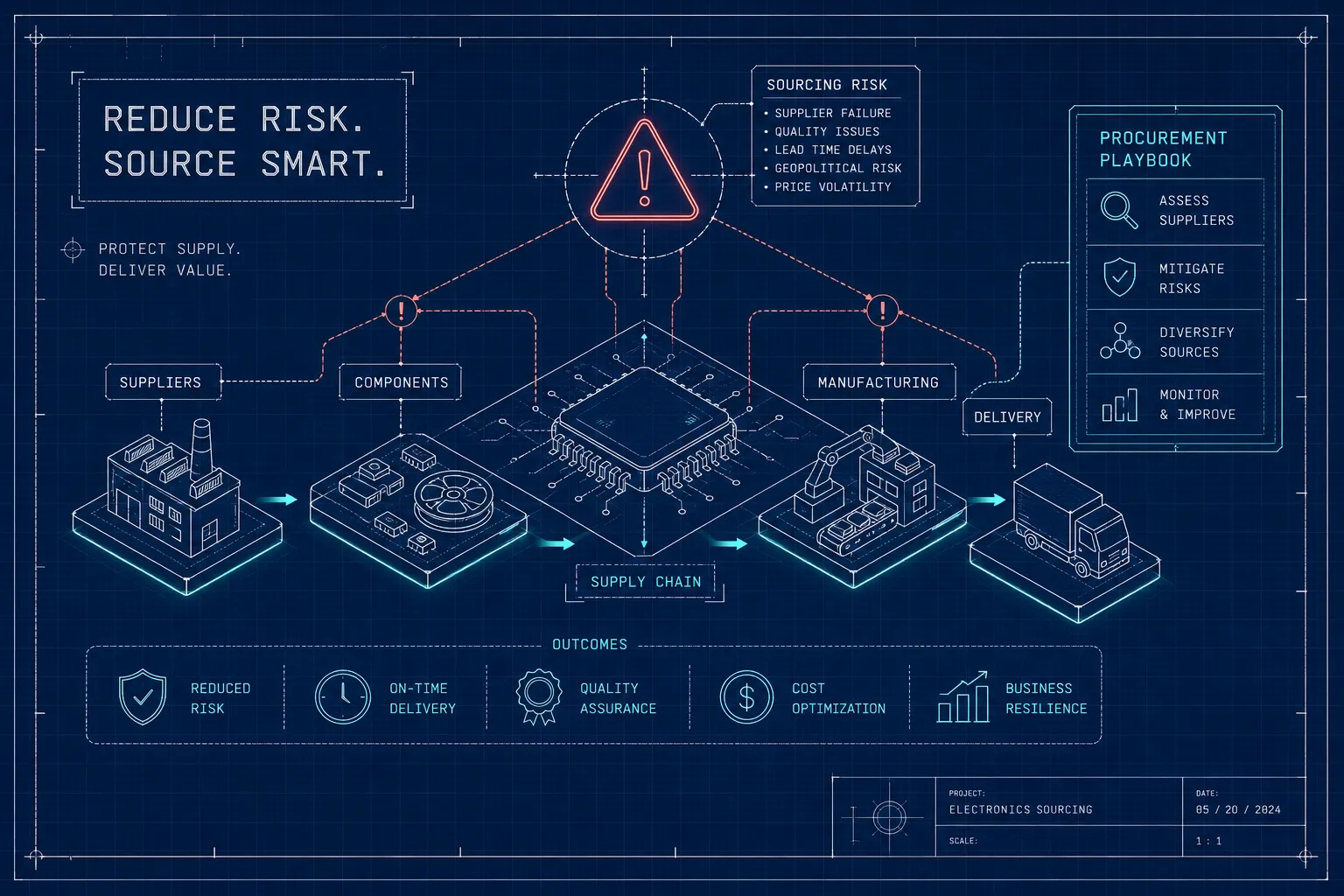
Electronics sourcing risk shuts down production lines fast. Learn to map, prioritize, and mitigate component shortages, counterfeits, EOL events, and geopolitical exposure.
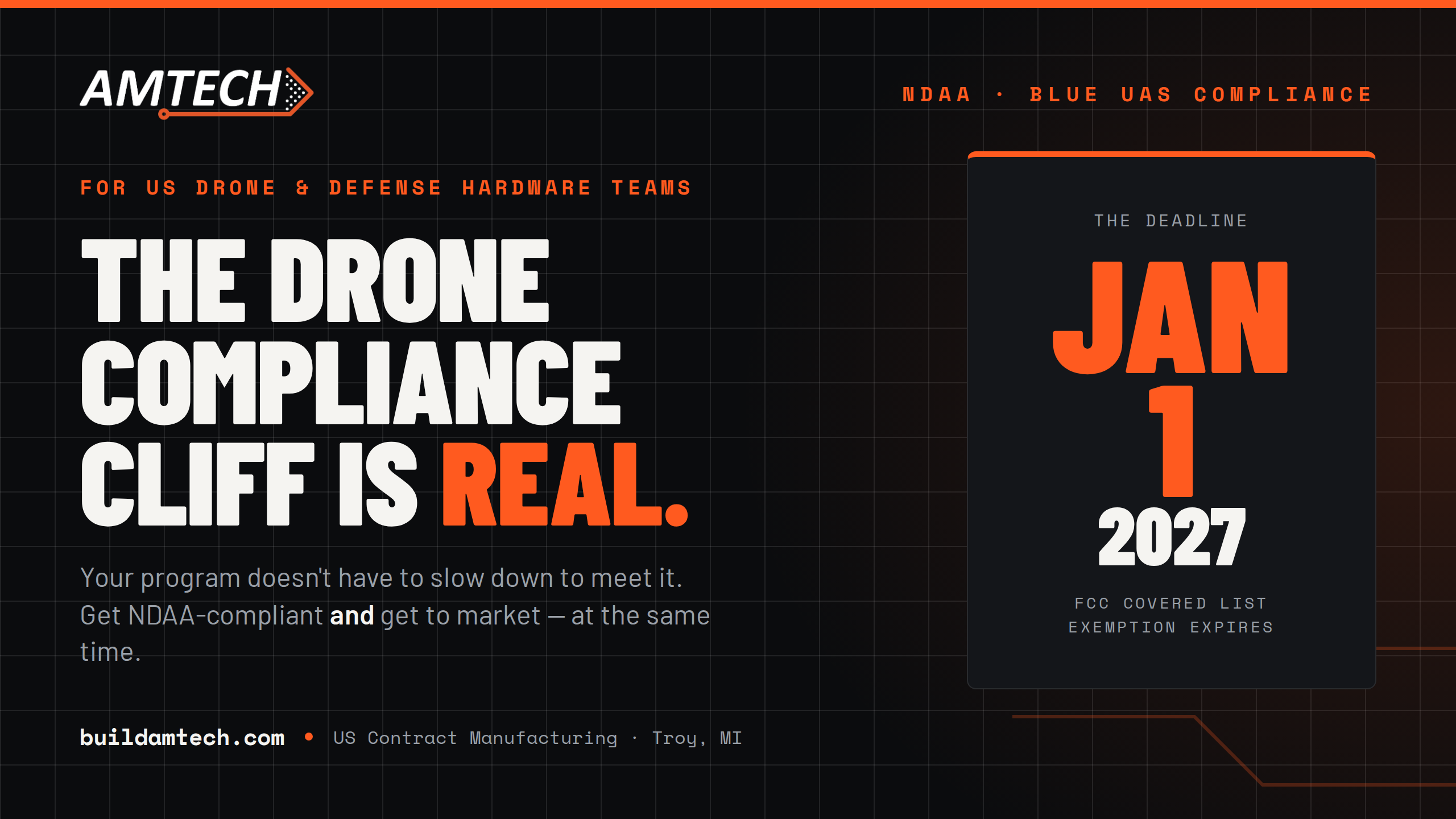
The Blue UAS exemption for covered-nation drone components expires January 1, 2027. Here’s how to get NDAA-grade and get to market at the same time — without slowing your program down.
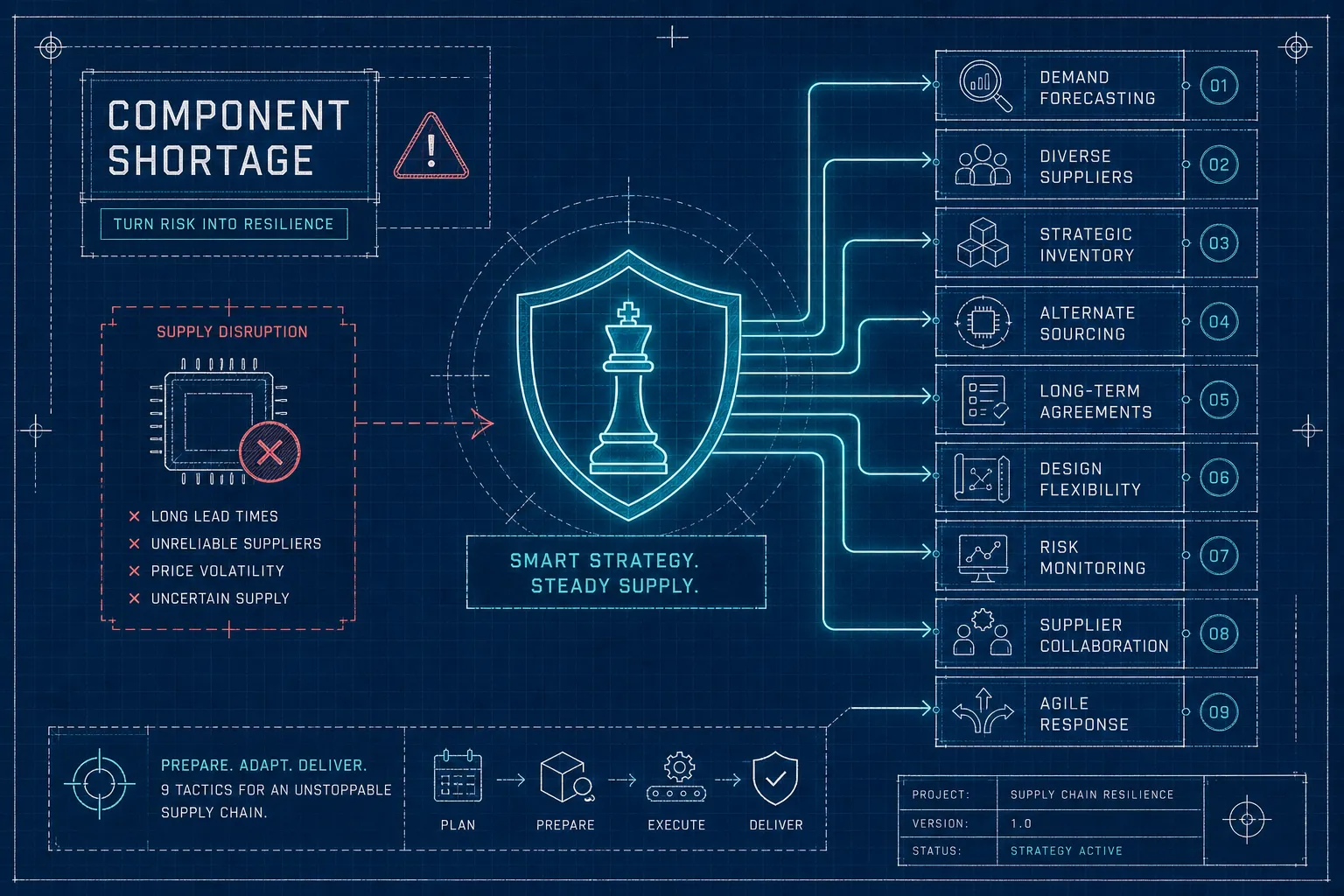
9 proven component shortage strategies for procurement and engineering teams: AVL diversification, safety stock planning, and BOM substitution. Protect your production lines.