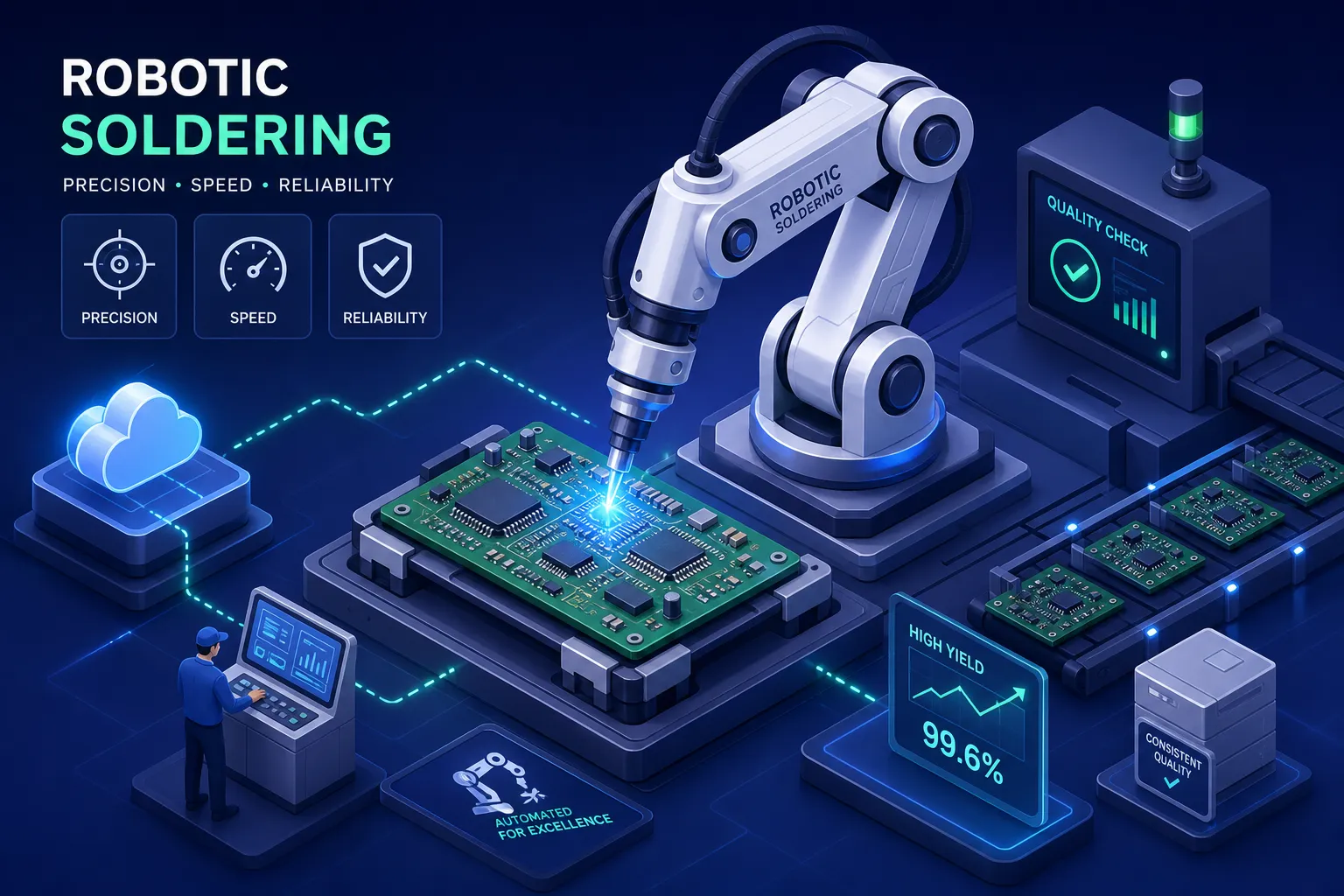
Robotic Soldering for Electronics Contract Manufacturers
Robotic soldering solutions explained for electronics contract manufacturers. Compare system types, ROI data, integration steps, and vendor checkpoints.

Robotic soldering solutions explained for electronics contract manufacturers. Compare system types, ROI data, integration steps, and vendor checkpoints.
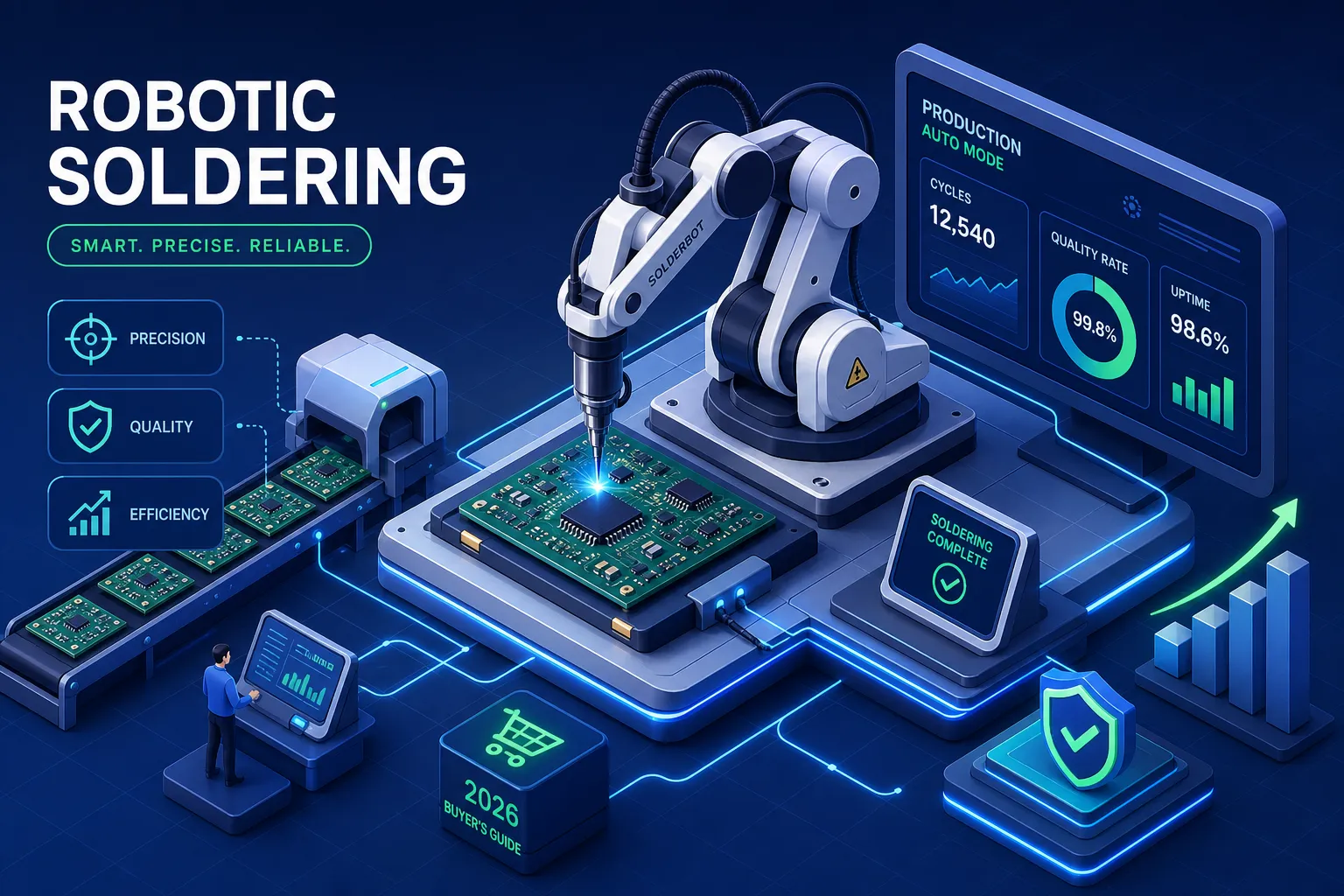
Compare selective, wave, and laser robotic soldering systems for electronics: 2026 machine specs, costs, ROI timelines, and a cell integration checklist.

North America electronics manufacturing hits $175B in 2026. Explore tariff tailwinds, automation gains, and how to evaluate the right domestic contract partner.
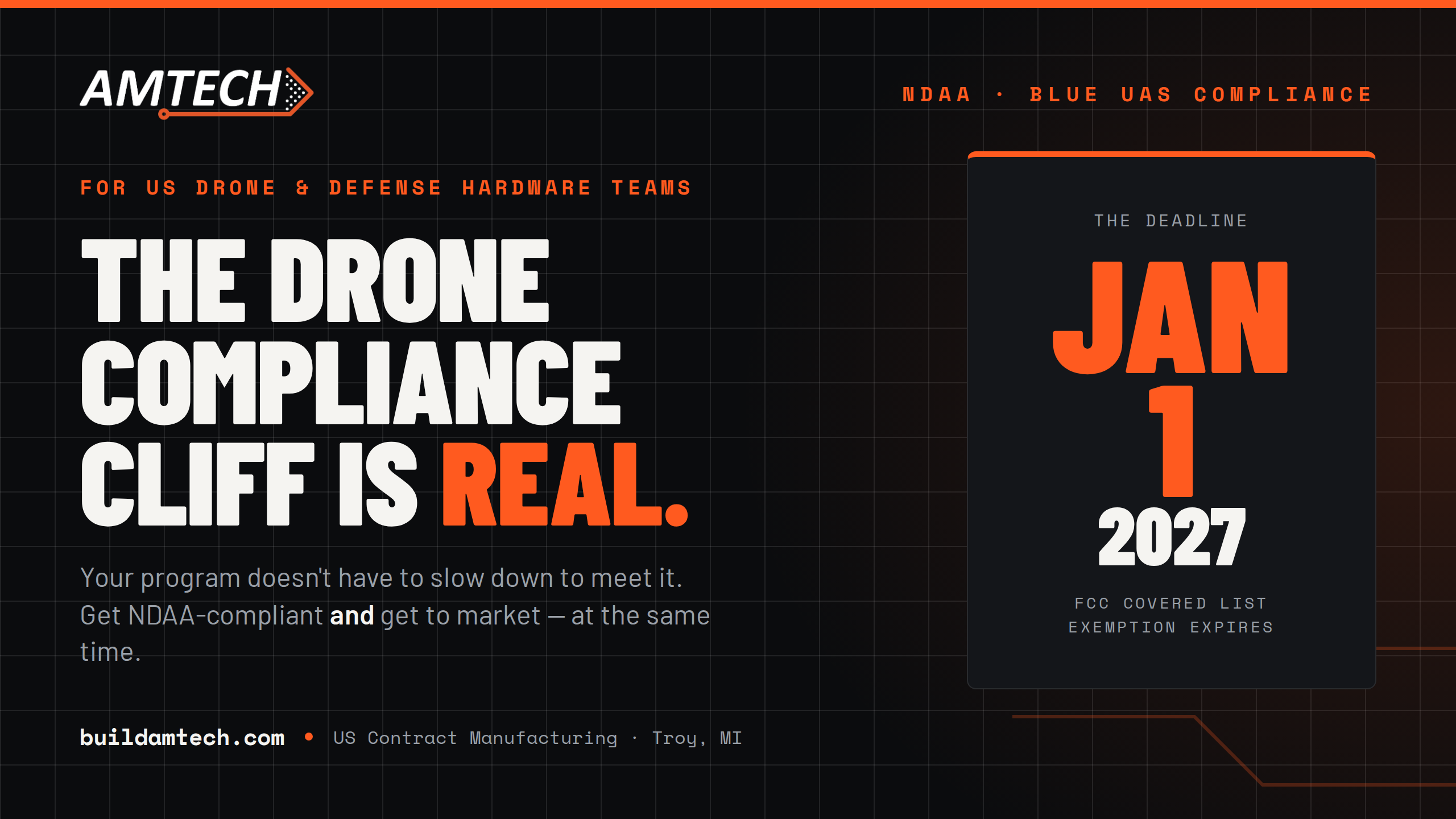
The Blue UAS exemption for covered-nation drone components expires January 1, 2027. Here’s how to get NDAA-grade and get to market at the same time — without slowing your program down.
Most manufacturing problems don’t start on the floor—they start before the floor. Here’s why we built a dedicated Pre-Production Job Setup department and how it makes high-mix production behave like a system.
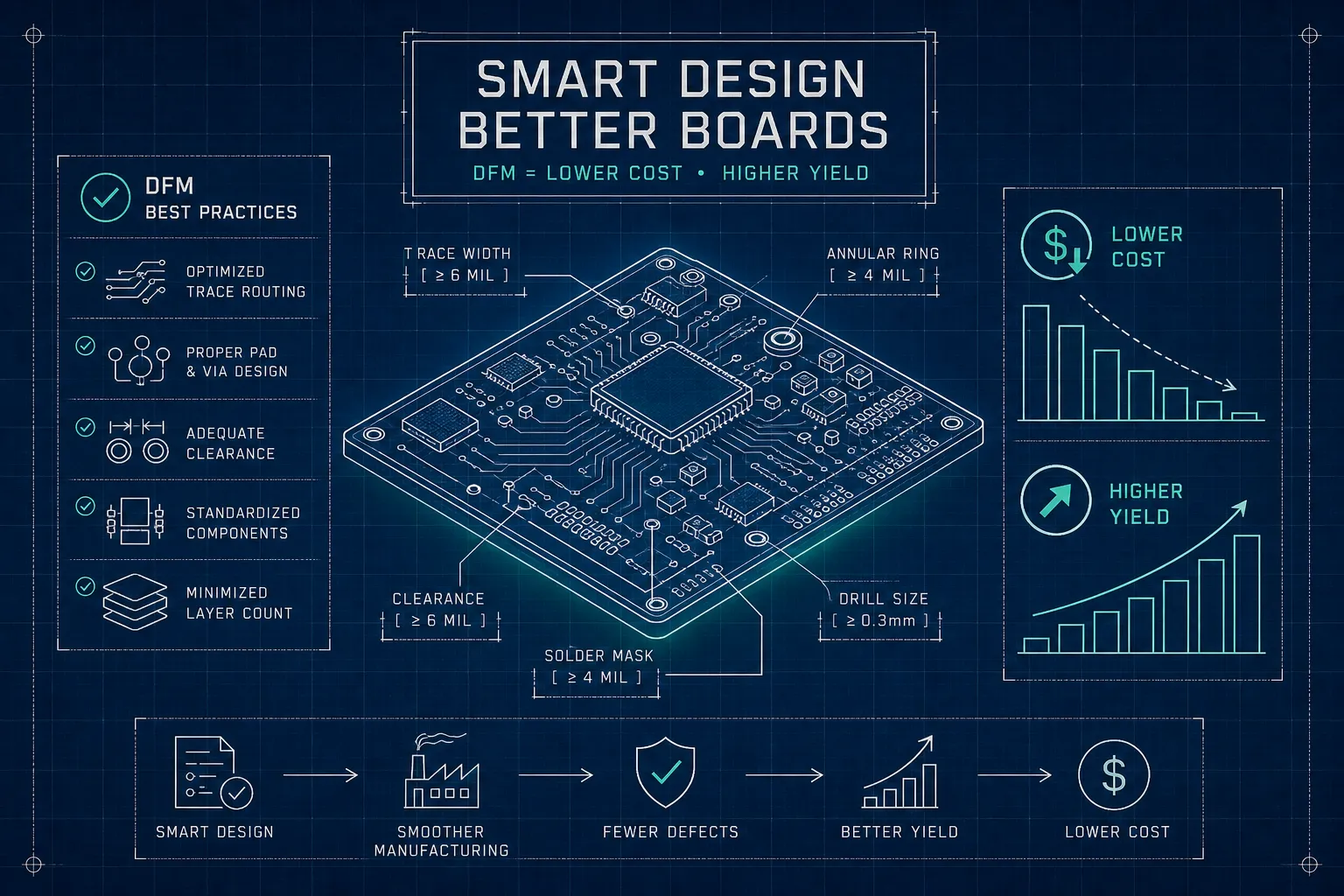
Master design for manufacturability best practices for electronics. Covers SMT pads, via placement, panelization, and BOM hygiene to reduce PCB failures and cost.
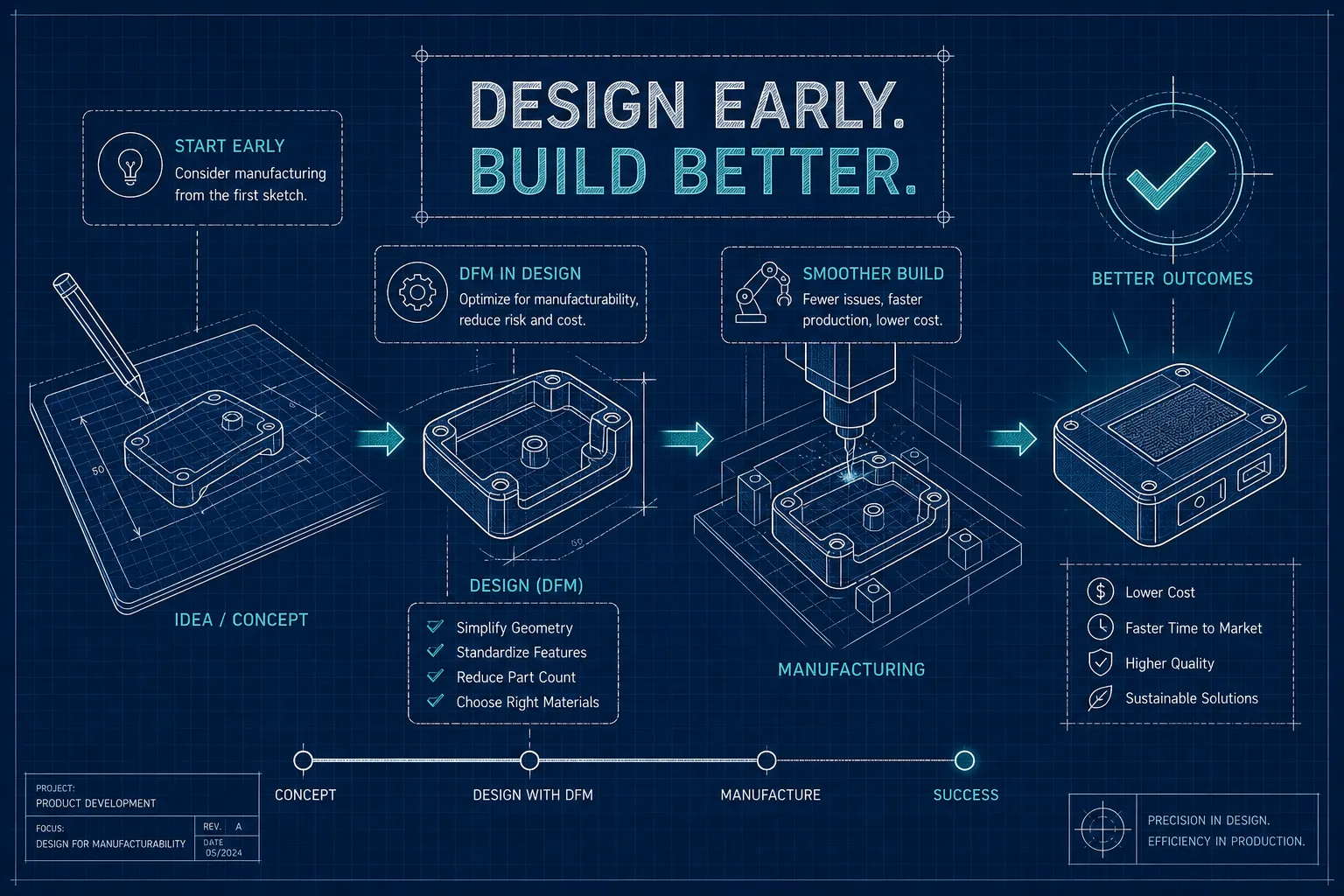
Design for manufacturability determines whether your electronics product builds cleanly or ships late. Learn what it means, why timing matters, and how to apply it.
We introduced the 3R Promise in early 2025 as a company-wide commitment to Robust, Responsive, and Reliable manufacturing. Sixteen months in, here’s what it actually looks like day-to-day on the floor.

AI in electronics manufacturing is reshaping quality control, yield, and production planning. See how manufacturers like Amtech are building real competitive edges.
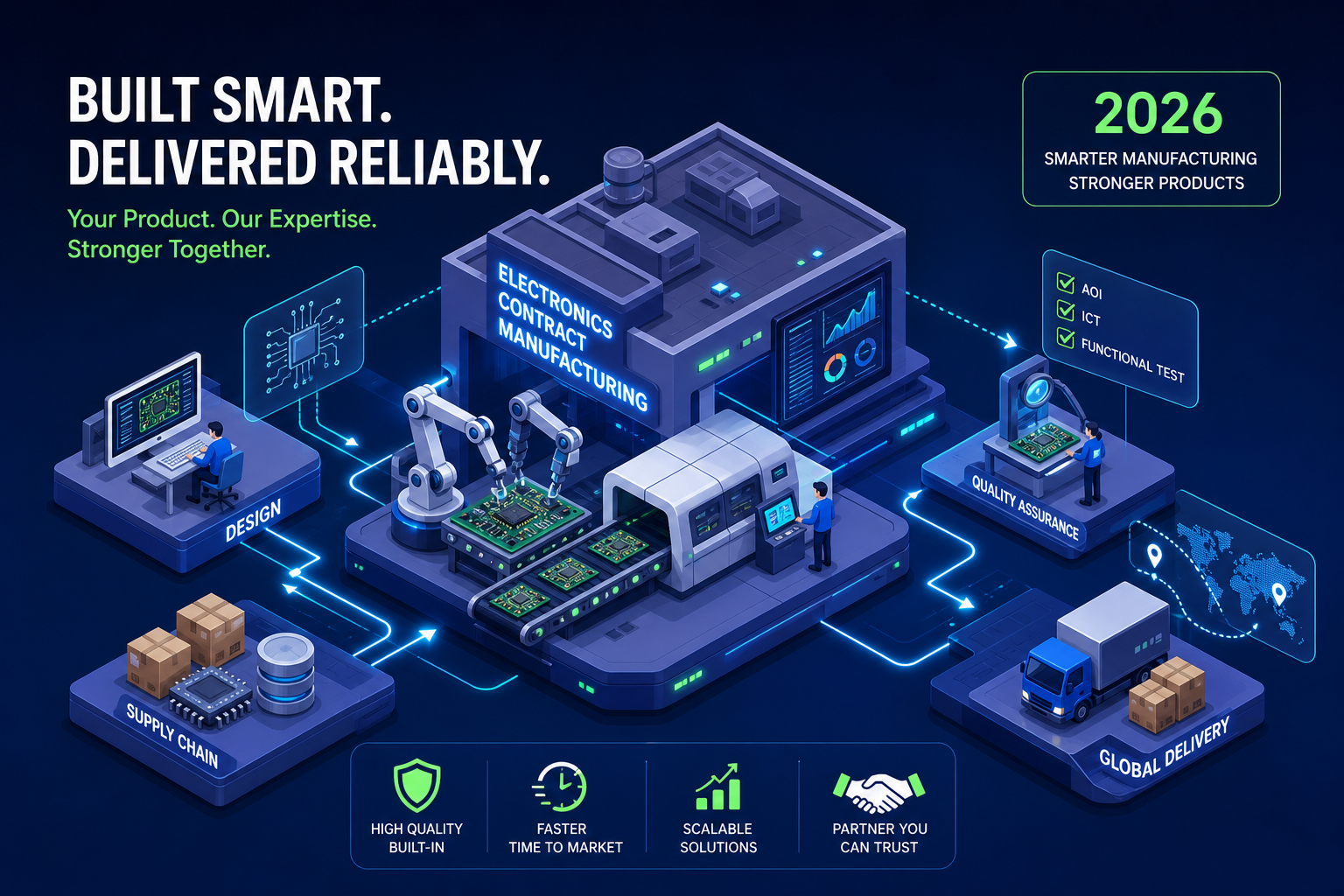
The U.S. electronics contract manufacturing market is shifting fast. Here’s how to evaluate, price, and scale with the right EMS partner in 2026.